Mentored.com.au|285 - Shark Attack Survivor: “It pulled me under the water” | Coogee Great White Shark Victim Leah Stewart
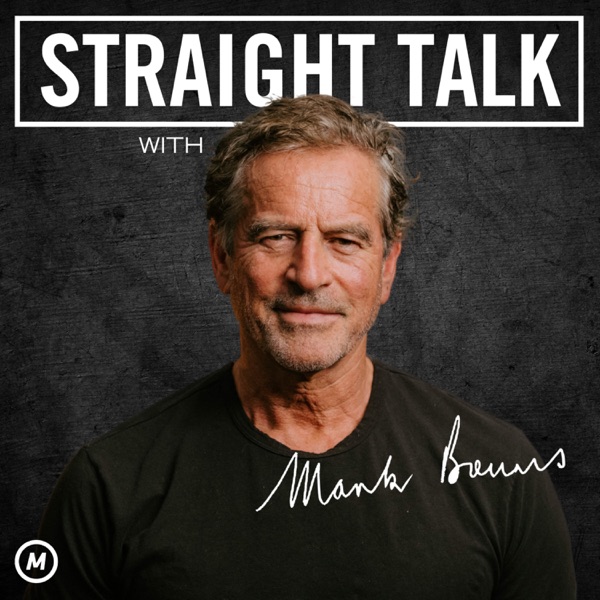
Too often, we avoid real conversations. Entrepreneur Mark Bouris sits down and gets to know people, understands what makes them tick, and shares the great and unusual things they’re doing. There’s no sugar coating. There’s no hiding behind fancy marketing slogans. Just an honest conversation.
00:00
00:00
Povzetek epizode
Liz Stewart shares her harrowing experience of surviving a traumatic shark attack while swimming at Coogee. She reflects on the sudden shift from an ordinary life to the public spotlight, describing the intense mental struggle to remain conscious and the physical trauma of losing skin and muscle during the encounter.
The conversation explores the critical role played by first responders, bystanders, and the Australian healthcare system in her survival. Liz also discusses her ongoing journey with PTSD recovery through EMDR therapy, the importance of community support, and her active decision to focus on gratitude following the attack.
Poglavja
Kliknite na poglavje, da skočite neposredno na ta trenutek
Poudarki
And I knew that I couldn't leave her.
00:06:23 · Liz explains that the thought of her daughter was the primary motivation that prevented her from giving into the sensation of drifting away during her near-death experience.
It grabbed onto my forearm and it degloved my forearm. It bit it off.
00:16:47 · The speaker explains the severe physical injury sustained to her arm during the encounter.
If it does get you, please punch back. Fight back.
00:21:19 · The speaker shares advice learned from experts regarding how to react during a great white shark attack.
I can now recall the event and it just feels like I'm recalling a story or like Christmas lunch when I was 10.
00:38:18 · The speaker explains how EMDR therapy has helped decouple the traumatic memory from the intense physiological panic response.
It's an active decision. You can choose to focus on what's going well or what's not going well. And every day I'm choosing what's going well.
00:55:34 · Leah explains her personal strategy of intentionally focusing on positive aspects of her life despite recent hardships.
Liz Stewart shares her harrowing experience of surviving a traumatic shark attack while swimming at Coogee. She reflects on the sudden shift from an ordinary life to the public spotlight, describing the intense mental struggle to remain conscious and the physical trauma of losing skin and muscle during the encounter.
The conversation explores the critical role played by first responders, bystanders, and the Australian healthcare system in her survival. Liz also discusses her ongoing journey with PTSD recovery through EMDR therapy, the importance of community support, and her active decision to focus on gratitude following the attack.
Objavljeno19 okt. 2026
Trajanje55:51
Epizode
285-
Shark Attack Survivor: “It pulled me under the water” | Coogee Great White Shark Victim Leah Stewart
Poslušano
Liz Stewart shares her harrowing experience of surviving a traumatic shark attack while swimming at Coogee. She reflects on the sudden shift from an ordinary life to the public spotlight, describing the intense mental struggle to remain conscious and the physical trauma of losing skin and muscle during the encounter.
The conversation explores the critical role played by first responders, bystanders, and the Australian healthcare system in her survival. Liz also discusses her ongoing journey with PTSD recovery through EMDR therapy, the importance of community support, and her active decision to focus on gratitude following the attack.
19 okt. 2026
284-
Economist Chris Joye WARNS: "We're Going Into Recession" And How We Fix It
Poslušano
The speakers examine a period of profound structural economic change, characterized by high inflation, rising interest rates, and significant declines in Australian housing prices. They draw parallels between the current global economy and the late 1990s tech boom, highlighting risks associated with high government debt, migration-driven inflation, and potential productivity slowdowns.
The discussion explores radical economic reforms for Australia, including reducing migration, downsizing the NDIS, and addressing budget deficits to ensure long-term competitiveness. The episode also analyzes the risks of political interference in central banking and provides strategies for portfolio protection through liquidity and cash-like assets during a potential global recession.
12 okt. 2026
283-
Property Experts Warning: Australian House Prices Could Fall Another 10%
Poslušano
The panel examines the current decline in the Australian property market, noting falling national housing prices and specific regional downturns in areas like the Gold Coast. The discussion explores how high interest rates, government policy, and increased regulation are impacting buyer confidence, transaction volumes, and overall economic productivity.
Beyond real estate, the conversation addresses broader economic anxieties, including a 'per capita recession' driven by rapid population growth and stagnant GDP per capita. The speakers critique recent economic strategies focused on wealth redistribution rather than growth, proposing reforms such as taxation changes to improve housing affordability and restore national prosperity.
07 okt. 2026
282-
Adam Gilchrist: “Have I Been A Hoax?” — The Truth Behind His Cricket Career
Poslušano
Adam Gilchrist discusses the philosophy behind his tequila brand, El Oquero, emphasizing the importance of additive-free ingredients and product quality over celebrity endorsement. He reflects on his professional cricket journey, from a scholarship in England to facing intense pressure and criticism while playing in Perth.
The conversation explores the mental challenges of elite sport, including managing imposter syndrome through mindfulness and focusing on controllable actions. Gilchrist also shares memories of legendary teammates like Shane Warne and Glenn McGrath, alongside reflections on the importance of family stability and the tactical complexities of historic series wins in India.
30 sep. 2026
281-
Wallabies Coach Les Kiss: The Road Ahead for Australian Rugby & the 2027 World Cup
Poslušano
Les Kiss reflects on his journey from a professional rugby league player in Bundaberg to an international rugby union coach. He discusses the profound influence of his early career, the intense psychological drive found in the Queensland State of Origin era, and how his transition into coaching was shaped by injury and tactical learning from the Springboks.
The conversation further explores the tactical nuances between rugby league and union, focusing on player roles, defensive coverage, and the evolution of running rugby. Kiss also addresses the challenges facing Australian rugby, including the loss of talent to overseas leagues and the importance of fostering innovation through provincial collaboration rather than over-engineered national playbooks.
21 sep. 2026
280-
UFC Champ Alex Volkanovski on Retirement, His Next Fight & Life Outside the Ring
Poslušano
The speaker reflects on his journey from the 'tunnel vision' of professional fighting to building a diverse personal brand and business empire. He discusses the importance of planning for life after sports, detailing his ventures including the Engage brand, 'Cooking with Hulk', and the development of Combat protein bars, all while emphasizing disciplined financial management.
The conversation also delves into his technical evolution through coaching, his highly scientific approach to fight nutrition, and his strategic preparation for upcoming bouts. He shares a philosophy of 'accepting the uncomfortable' and highlights how his primary motivation remains providing for his family while navigating the professional obligations of the UFC.
17 sep. 2026
279-
Johnathan Thurston "I was going down the wrong path": The Decision That Changed My Life
Poslušano
In this episode, Jonathan Thurston reflects on his journey from a competitive upbringing in Brisbane to becoming a rugby league legend. He discusses the pivotal mental shifts that defined his career, his reliance on physical fitness to manage high-pressure situations, and his analytical approach to manipulating defensive lines alongside icons like Cameron Smith.
The conversation also explores the broader impact of his life off the field, including his respect for coaching legends like Craig Bellamy and the profound social impact of the Jonathan Thurston Academy. Thurston details how his academy's early intervention programs work to reduce youth crime and build self-efficacy in young people through life skills and mentorship.
13 sep. 2026
278-
The Atlassian Story: The Rise of the Tech Bros & the Ultimate Broken Partnership
Poslušano
Authors John Stence Holder and Perry Williams join the hosts to discuss their book 'Tech Bros', tracing the rise of Atlassian from a university project to a global software giant. The episode explores the diverging business approaches and personalities of co-founders Mike Cannon-Brooks and Scott Farquhar, detailing how their immense wealth accumulation led to significant personal influence and internal cultural shifts.
The conversation further delves into the complexities of extreme success, including real estate disputes in Point Piper, controversies surrounding private jet usage, and the human vulnerabilities that arise when managing unprecedented liquid wealth. The authors reflect on the broader themes of philanthropy, political leanings, and the unforeseen challenges inherent in navigating life at the pinnacle of the tech industry.
09 sep. 2026
277-
James Tedesco: The Mindset that made him an NRL Great & the life he's building after footy
Poslušano
James Tedesco discusses his professional journey, from his transition from the West Tigers to the Sydney Roosters driven by a desire for premiership success, to the mental and physical rigors of playing in State of Origin. He reflects on the importance of leadership dynamics, maintaining presence through communication, and managing the intense pressure of elite competition.
The conversation also explores Tedesco's personal evolution, including how fatherhood has shifted his priorities toward family and his commitment to excellence in all endeavors. He shares insights into his disciplined preparation routines, his defensive responsibilities as a fullback, and his 'all in' mentality regarding both rugby league and his future involvement in his family's business.
02 sep. 2026
276-
Punters Politics' Konrad Benjamin: "Politicians Fear Lobbyists More Than They Fear Us"
Poslušano
The host interviews Benjamin, a former economics teacher, exploring how economic theory and psychological incentives shape political reality. The discussion delves into the Australian political landscape, examining how the 'revolving door' between government and corporate lobbying, alongside media ownership, undermines democratic accountability and favors corporate interests.
The episode further analyzes the rise of monopolies in sectors like housing and groceries, arguing that a lack of true competition stifles innovation and drives up costs. The speakers conclude by discussing the shifting landscape of voter behavior, suggesting that the decline of traditional party tribalism may lead to a significant political reckoning for the current establishment.
30 avg. 2026
275-
The $1.6 Billion Founder: The Slow Decline of Australia Nobody Wants to Talk About & How We Win!
Poslušano
Charlie Gearside discusses his entrepreneurial journey, from early photo manipulation ventures to co-founding Eucalyptus. He outlines the strategic thesis of bringing telehealth convenience to Australia by removing friction in healthcare delivery and building a 'house of brands' approach.
The conversation explores the evolution of telehealth, the challenges of regulatory resistance, and the decline of risk-taking in Australia due to high debt and economic hurdles. The episode concludes with an overview of 'Build Australia,' a non-profit media movement designed to counter doomerism by sharing optimistic stories of Australian innovation.
26 avg. 2026
274-
F1 Legend Mark Webber: The Crash That Nearly Killed Me, Oscar Piastri, & rival Sebastian Vettel
Poslušano
Mark Webber reflects on his journey from a childhood in Queanbeyan to the pinnacle of Formula One. He details his early racing roots, the strategic guidance of his father, and the pivotal move to Europe to test himself against international competition. The episode explores the mental and physical evolution required for elite performance, moving from raw aggression to a disciplined, precise approach.
The conversation also covers the high-stakes realities of professional racing, including a life-threatening accident in France and the intense pressure of the Monaco Grand Prix. Webber discusses the importance of accountability, the influence of mentors like Dietrich Mateschitz, and the complexities of team dynamics, ultimately sharing his perspectives on life after racing, the value of discipline, and finding true success through longevity.
23 avg. 2026
273-
NRL Boss Peter V’landys on the Historic $5.3B Broadcast Deal, PNG & the Future of Rugby League
Poslušano
Peter Volandis discusses his transition to Executive Chairman of the NRL, detailing a strategy centered on prioritizing the fan experience through rule changes like 'six again' and the captain's challenge. He outlines the NRL's financial evolution, from managing extreme vulnerability during COVID to building a robust asset base through hotel investments and diversifying revenue streams via initiatives like the PNG Chiefs expansion.
The conversation also explores the strategic growth of rugby league, including international expansion in Las Vegas and the rapid rise of the NRLW. The episode concludes with a personal look at Volandis's approach to health, focusing on the importance of sleep, nutrition, and maintaining muscle mass for long-term cognitive function.
19 avg. 2026
272-
Michael Cheika on the Sydney Roosters, Building Winners & Coaching Culture (round 2)
Poslušano
Michael Jagger discusses the importance of organizational alignment and leadership stability, drawing from his experiences with the Sydney Roosters and managing high-pressure crises at Rugby Australia. He explores the complexities of coaching, specifically the balance between a duty of care for players and the primary objective of winning.
The episode also delves into mental performance, distinguishing between toughness and hardness in rugby, and the necessity of leadership through direction. Jagger reflects on his coaching evolution—from accidental beginnings to embracing modern technology and adapting his communication style to effectively mentor younger generations.
17 avg. 2026
271-
Nikki Osborne (Bush Barbie): The Aussie Comedian who broke the internet!
Poslušano
Comedian Nikki Osborne discusses the international controversy surrounding her interview with Australian Prime Minister Anthony Albanese, explaining how she utilizes her 'Bush Barbie' persona to navigate media pressure and corporate responsibility. She reflects on the strategic use of this alter ego to connect with audiences through nostalgia while protecting her personal identity from being 'cancelled.'
The conversation also explores the creative mechanics behind her comedy production, including research methods used to surprise guests and her professional journey from drama school to stand-up success. Osborne concludes by discussing the evolution of the Bushy brand, her comedic influences like Barry Humphries, and future narrative projects for the character.
12 avg. 2026
270-
David Pocock on Life before politics, gas, gambling and taking on the major parties
Poslušano
David Pocock shares his journey from a childhood shaped by political instability in Zimbabwe to a professional rugby career and eventually into the Australian Senate. He reflects on how the discipline of sport and the trauma of displacement prepared him for the challenges of independent politics, where he seeks to provide a check on party power.
The discussion explores the complexities of the Australian political system, focusing on the tension between party loyalty and individual representation. Senator Pocock addresses critical issues including the impact of gambling advertising, the need for gas export taxes, regulatory burdens on small businesses, and the importance of long-term legislative thinking to address national challenges like housing and economic stability.
09 avg. 2026
269-
Ex-Army Soldier & Defence Investor Steve Baxter on how War has changed forever
Poslušano
Steve Baxter discusses his journey from regional Queensland to establishing a defense investment fund focused on scaling Australian startups into the US market. The episode explores how modern warfare, particularly in Ukraine, is driving an intense innovation cycle characterized by 'neo primes,' drone technology, and decentralized procurement marketplaces.
The conversation further examines the technological arms race involving counter-drone systems, the complexities of navigating US taxation and supply chain sovereignty, and the broader geopolitical implications of energy shifts. Ultimately, Baxter highlights the strategic necessity of defense investment as a means of deterrence in an increasingly volatile global landscape.
02 avg. 2026
268-
Gerard Rennick on How Australia’s Economy Is Broken and How We Fix It
Poslušano
Gerard Rennick shares how his upbringing in a farming family and early accounting career, combined with extensive global travels, shaped a 'people first' worldview. He critiques the rise of political polarization driven by social media algorithms, the dangers of belligerent diplomacy, and the lack of hands-on experience among modern professional managers.
The discussion explores specific economic proposals from the 'People First' party, including tax threshold increases, making superannuation voluntary, and creating a development bank to fund infrastructure. Rennick argues for a return to fundamental values like family and community while addressing the challenges of bureaucracy, housing inflation, and the need for domestic manufacturing.
26 jul. 2026
267-
Dr Nick Coatsworth: COVID Mistakes, Big Government & The Future of Australia
Poslušano
Dr. Nick Coatsworth discusses his transition from humanitarian work with Doctors Without Borders in the Congo, Chad, and Sudan to a prominent role in Australia's COVID-19 response. The conversation explores the psychological weight of pandemic decision-making, the rise of 'safetyism,' and the use of predictive modeling to justify lockdowns.
The episode further examines Australian economic policy, addressing risks in tax structural changes and imbalances within the care economy. The speakers conclude by discussing declining living standards, concerns over infrastructure corruption in Victoria, and the current lack of a cohesive national vision in Australian politics.
22 jul. 2026
266-
Communication Expert: The 4 Psychological Drivers Behind All Self-Doubt
Poslušano
Most people think self-doubt is the problem. Dr. Shadé Zahrai says it's not... it's what's underneath it. In this episode we sit down with communication expert and PhD researcher Dr. Shadé Zahrai to unpack the four psychological drivers that either fuel your self-doubt or build what she calls "Big Trust." This isn't therapy-speak, it's research-backed, practical, and built for people who are already doing the work but can't figure out why they keep getting in their own way. Subscribe to the Mentored newsletter here: https://the-mentored-platform-pty-ltd.myklpages.com/l/WWJGc5 Join my exclusive Mentored+ community: https://mentored.com.au/become-a-member/ See omnystudio.com/listener for privacy information.
19 jul. 2026
265-
Exercise Expert: Dr Stacy Sims On The Best Way to Train, Eat & Age Well (Project 100)
Poslušano
Dr Stacy Sims is one of the world's leading exercise physiologists specialising in women's health, and she joins Project 100 to explain why the science women have been given is largely based on male data and what that means for how women should actually train, eat, and protect their healthspan. From the cellular differences between the sexes, to perimenopause, creatine, protein timing, Alzheimer's risk, and why sleep beats everything else. This is a conversation every woman (and the people who love them) need to hear. Subscribe to the Mentored newsletter here: https://the-mentored-platform-pty-ltd.myklpages.com/l/WWJGc5 Join my exclusive Mentored+ community: https://mentored.com.au/become-a-member/ See omnystudio.com/listener for privacy information.
15 jul. 2026
264-
Jim Jefferies on Albo's Joke Scandal, His Nephew's Tragic Death & America's Madness
Poslušano
Jim Jefferies has done 6 Netflix specials, more than any comedian on earth. But this conversation goes well beyond comedy. Jim opens up about his nephew Lieutenant Maxwell Nugent, one of four soldiers killed in the Whitsundays helicopter crash, and why he believes both Liberal and Labor governments closed ranks to bury the truth. From ICE raids to Prime Minister Anthony Albanese's joke scandal, Ozempic to sports cards, this is Jim Jefferies completely unfiltered. Find tickets to see Jim on his Australian comedy tour here: https://jimjefferies.com/ Subscribe to the Mentored newsletter here: https://the-mentored-platform-pty-ltd.myklpages.com/l/WWJGc5 Join my exclusive Mentored+ community: https://mentored.com.au/become-a-member/ See omnystudio.com/listener for privacy information.
12 jul. 2026
263-
Property Expert: Why Australian House Prices Are Falling Faster Than Expected
Poslušano
Tim Lawless is Australia's most closely watched property data analyst and right now, the market is moving faster than anyone predicted. As Head of Research at Cotality (formerly CoreLogic), Lawless sits at the centre of every major shift in Australian housing. In this conversation, he and Mark Bouris go deep on what the federal budget has done to investor confidence, why the numbers are deteriorating faster than the data can capture, and what the property market realistically looks like from here. Lawless also walks through the economics of holding an investment property in 2026, city by city, with unusual candour about where the opportunities may eventually re-emerge. Subscribe to the Mentored newsletter here: https://the-mentored-platform-pty-ltd.myklpages.com/l/WWJGc5 Join my exclusive Mentored+ community: https://mentored.com.au/become-a-member/ See omnystudio.com/listener for privacy information.
08 jul. 2026
262-
"It was a Disaster" Chris Joye on the Budget, Australia’s Property Correction, Trump & Bitcoin
Poslušano
Chris Joye is one of Australia's sharpest economic minds. He's a fund manager, AFR columnist, and architect of the indices used to measure Australian house prices. In this conversation, Joye delivers a blunt assessment of where Australia is headed economically. He argues the federal budget was a defining moment that exposed the government's agenda: taxing the private sector to fund an expanding public service. He connects that policy shift to rising inflation, falling house prices, and a growing brain drain that few politicians are willing to confront honestly. Topics covered: • Why the federal budget was a turning point for Australian economic confidence • Sydney and Melbourne house prices falling at double-digit annual rates • The RBA's inflation battle and why interest rates may need to go higher • Australia's national and state debt crisis and what it means for future taxes • The case for cutting the NDIS, selling the NBN, and raising the GST • Why high-net-worth Australians and entrepreneurs are quietly…
05 jul. 2026
261-
Socceroos Legend Mark Schwarzer on World Cup 2026, Egypt & the Italy Heartbreak That Still Stings
Poslušano
Mark Schwarzer is one of the greatest goalkeepers Australia has ever produced — 109 caps, a Premier League career spanning two decades, and a front-row seat to some of football's most defining moments. Recorded during the 2026 FIFA World Cup, we break down Australia's chances against Egypt, what it actually feels like to face a penalty shootout, and why he believes the current Socceroos squad might be the most exciting group of Australian footballers ever assembled. We speak about: • How Australia should set up tactically against Mo Salah and Egypt • Why Kylian Mbappé appears to have more time on the ball than anyone else • The psychology of penalty shootouts from a goalkeeper's perspective • The infamous 2006 World Cup loss to Italy and Fabian Grosso's theatrical dive • Growing up in Grose Wold and his path from Marconi FC to European football • Football as the one sport that unites multicultural Australia • The John Travolta story from the Uruguay qualifier dressing room See omnystudio.com/listener for…
02 jul. 2026
260-
Dave Hughes: "You've lied to us all" Comedy Legend unloads on the budget & the capital gains tax & why he can't keep quiet
Poslušano
Dave Hughes is one of Australia's most recognisable comedians — but for the past six weeks, he has been one of the country's loudest voices on the budget changes to the Capital Gains Tax. Subscribe to the Mentored newsletter here: https://the-mentored-platform-pty-ltd.myklpages.com/l/WWJGc5 Join my exclusive Mentored+ community: https://mentored.com.au/become-a-member/ See omnystudio.com/listener for privacy information.
28 jun. 2026
259-
Shark Attack Hero Shares the Story of the Terrifying Coogee Rescue
Poslušano
Hi guys, there is a GoFundMe for the woman injured in the attack, to help with her recovery and ongoing expenses. If you're able to, please consider donating: https://www.gofundme.com/f/support-leah-stewart-victim-of-shark-attack-in-coogee Less than a fortnight after rescuing a woman during the great white shark attack at Coogee Beach, Charlie Verco joins us to reflect on what happened. Charlie shares what he saw, the decisions he made under immense pressure, and why years of surf lifesaving training prepared him for this terrifying moment. We spoke about: The moment Charlie realised the shark alarm was real What happened when the great white surfaced just metres away How he brought Leah safely back to shore on a racing paddleboard Why managing fear, rather than being fearless, made all the difference How surf lifesaving and Nippers shaped his response His views on shark safety, drone surveillance and Australia's approach to managing risk His message to Leah, whom he has not yet had the chance to speak with…
25 jun. 2026
258-
Alan Kohler: "This Is Who Controls the Economy", Elon Musk & the Signals of an Economic Crisis
Poslušano
Alan Kohler has spent more than 50 years at the centre of Australian financial journalism — and few people alive have watched this country's booms, busts, and policy shifts with more clarity. In this conversation, Mark and Alan trace the arc of Australian capitalism from the Poseidon nickel boom of 1969 through to the rise of Elon Musk and the AI era. Alan draws striking parallels between the charismatic deal-makers of the 1980s — Bond, Elliott, Skase — and the story-sellers of today, and explains why irrational exuberance always takes longer to unravel than anyone expects. He also gives a frank assessment of what Australian housing policy has got wrong, why superannuation remains the country's greatest economic achievement, and what capital gains tax reform should actually look like. We speak about: • The Poseidon nickel boom and what it taught a 17-year-old copy boy about markets • Why every major financial boom has a charismatic figure selling an irresistible story • Elon Musk, SpaceX, and whether a…
21 jun. 2026
257-
Pro Boxer Liam Paro on Fighting for a World Title, Redemption & Dealing with Adversity
Poslušano
Liam Paro is an Australia's leading professional boxer who is fighting for the IBF Welterweight World Title on June 24, and he's never been more ready. Exclusive to Main Event on Kayo Sports – next Wednesday on the 24th! Purchase the PPV here: https://kayosports.com.au/en-AU/welcome/ppv/paro-v-crocker?extcamp=parovcrockerorgsoc-soc-kyo-lnk-kayo-acq-mma-straighttalk&channel=straighttalk&campaign=parovcrocker The North Queensland kid who once slept in his car to chase his dream reveals what it really takes to become a world champion. Liam opens up about what an 11-kilogram weight cut actually does to your body, why moving up to welterweight may be the best decision of his career, and the brutal mental battle that takes place between the ropes that most fans never see. He also shares the heartbreaking story of losing his best mate in 2015, the promise he made as a 13-year-old sitting on his mum's kitchen bench, and why his late friend's initials have been stitched onto his trunks for every fight since. We also…
17 jun. 2026
256-
Michael Chammas: Building the NRL's PNG Team, Leaving Journalism & Taking Opportunities
Poslušano
Michael Chammas is the general manager of rugby league's newest expansion team, the PNG Chiefs, in what could be the NRL's most ambitious venture ever. The former Sydney Morning Herald journalist traded his media career for the challenge of building Papua New Guinea's first NRL club from the ground up. Chammas reveals the complex recruitment strategies needed to convince players to relocate their families to PNG, the cultural significance of rugby league to the Pacific nation, and why the tax-free incentives are essential for success. He discusses his transition from breaking stories to making them, the logistical challenges of establishing pathways in a country with 850 languages and 1,000 tribes, and why this team represents more than just rugby league. Why Michael left his dream journalism job for an even bigger dream The family considerations behind relocating to Papua New Guinea How Jerome Luai's signing changed everything for the Chiefs The reality of living in the Airways resort compound Building…
10 jun. 2026
255-
Kellie Sloane: NSW Opposition Leader's Pitch to New South Wales
Poslušano
In this conversation with NSW Opposition Leader Kellie Sloane, she explains why she believes New South Wales has gone from the nation's top-performing economy to the bottom of the pack under Labor's watch. Kellie discusses her journey from country journalism to opposition leadership, her experience during the Bondi terror attack, and her strategy for defeating a first-term government. She also addresses federal-state tensions within Labor, the importance of assimilation in modern Australia, and why authenticity matters more than ever in contemporary politics. New South Wales economic decline under Labor government Federal-state tensions over GST and infrastructure funding The Bondi Junction terrorist attack response Assimilation versus multiculturalism debate Coalition relationship between Liberals and Nationals Presidential-style campaigning in state elections Young people's disillusionment with traditional politics Join my exclusive Mentored+ community: https://mentored.com.au/become-a-member/ Subscribe to…
03 jun. 2026
254-
Business Expert on the Budget, the Housing Crisis, and Intergenerational Inequality
Poslušano
Naomi Simson is the founder of Red Balloon and co-founder of the Big Red Group. In this conversation, Naomi breaks down how she built a business that now delivers an experience every 16 seconds to small businesses across Australia and New Zealand. Simson also delivers her unfiltered assessment of the recent federal budget, arguing that too many changes implemented too quickly will cripple business confidence during an already challenging period of technological disruption. See omnystudio.com/listener for privacy information.
27 maj 2026
253-
Brain Expert: Why Dementia Is Australia's Number One Killer (Project 100)
Poslušano
All content and media by Project 100 is created and published online for informational purposes only. It is not intended to be a substitute for professional medical advice and should not be relied on as health or personal advice. **** Professor Matthew Kiernan is CEO of Neura Australia and one of the nation's leading neurologists tackling the growing dementia crisis. Kiernan explores why dementia is now Australia's number one cause of death, the modifiable risk factors that could prevent 45% of cases, and the groundbreaking monoclonal antibody treatments now available for Alzheimer's disease. Kiernan explains how the Western Pacific region carries 60% of the world's dementia burden and why researchers are racing to develop blood biomarkers that could detect brain diseases decades before symptoms appear. We also get into: • Why dementia has overtaken heart disease as Australia's leading killer • The role of vascular health in brain function and cognitive decline • Blood biomarkers coming within five years for…
24 maj 2026
252-
The Federal Budget Reality Check with Economist Leith van Onselen
Poslušano
Leith van Onselen is one of Australia's most credible economists and a straight-talking critic of government policy. In this episode, we dissect the Albanese government's latest budget and its real impact on inflation, housing affordability, and living standards. Leith explains why this isn't tax reform but simply a tax grab, how immigration policy is driving the housing crisis, and why Australia's productivity growth ranks among the worst in the OECD. We explore the disconnect between headline GDP figures and per capita reality, the expansion of the government-funded sector, and what this means for future generations. We get into: • Why the budget won't help with inflation or interest rates • How immigration policy is crush-loading housing and infrastructure • The productivity crisis dragging down living standards • Government sector expansion crowding out private enterprise • Capital gains tax changes that could kill startup innovation • Bracket creep silently increasing everyone's tax burden • The 30%…
20 maj 2026
251-
Cooper Cronk on Craig Bellamy, NRL State Of Origin & the mindset to be great
Poslušano
Cooper Cronk is one of rugby league's most cerebral players and a four-time premiership winner who transformed from a modest rugby union schoolboy into one of the game's greatest halfbacks. In this conversation, Cronk reveals the mental frameworks that drove his success, from Craig Bellamy's obsession with fundamentals at Melbourne Storm to his legendary 2018 grand final performance with a broken scapula. He discusses the coffee test that Bellamy uses for recruitment, how the spine positions require high football IQ, and why great players have time others don't. Cronk also opens up about his worst career moment in the 2016 grand final and how it taught him the lesson that secured his next three premierships. • Craig Bellamy's leadership philosophy and the coffee test for recruitment • Playing the 2018 grand final with a broken shoulder blade • The 2016 grand final disaster that changed his entire approach • Why Melbourne Storm's spine trio dominated for over a decade • Cameron Smith's unparalleled football…
18 maj 2026
250-
2026 Federal Budget Reaction with Economist Chris Richardson
Poslušano
Chris Richardson is one of Australia’s most quoted economists and the founder of Rich Insight, bringing decades of expertise from his time at Deloitte Access Economics to decode complex fiscal policy. Chris and I might not agree on every aspect of this budget, but that is what makes this conversation worth having. In this analysis of Australia’s latest budget, Richardson reveals why our living standards have barely grown over the past decade while other OECD nations have surged ahead by 17%. He dissects the real economic effects of the budget on inflation, interest rates, and the Reserve Bank’s delicate balancing act. Richardson also exposes the “off-budget” spending that keeps billions in government expenditure hidden from public scrutiny and explains why housing affordability will not be solved by capital gains tax changes alone. Join my exclusive Mentored+ community: https://mentored.com.au/become-a-member/ Subscribe to the Mentored newsletter here:…
13 maj 2026
249-
Ellyse Perry: Australia's Greatest Dual-Sport Athlete on What Two Decades of Elite Sport Really Takes
Poslušano
Ellyse Perry is arguably Australia's greatest dual-sport athlete, the only person to have represented Australia in both cricket and football at an international level. In this conversation, she reveals the mental framework behind scoring a Test double century, why she finds deeper meaning in team sport than individual achievement, and how a competitive childhood on Sydney's North Shore set the foundation for everything that followed. Perry also discusses the evolution of her training across two decades at the top, the growth of women's cricket, and the almost meditative headspace she finds batting in the nets - a window into how one of Australia's most enduring athletes thinks about performance, longevity, and what the game gives back. Join my exclusive Mentored+ community: https://mentored.com.au/become-a-member/ Subscribe to the Mentored newsletter here: https://mentored.com.au/newsletter See omnystudio.com/listener for privacy information.
10 maj 2026
248-
Politics Expert on the the Rise of One Nation & Gen Z’s Voting Shift
Poslušano
In this conversation, political strategist and pollster Kos Samaras explains how Australia’s political landscape is fragmenting beyond recognition. He reveals why traditional Liberal and Labor voters are abandoning both major parties, how disillusioned Australians are turning to One Nation and the Greens, and why the country is heading toward a more divided political future. From the collapse of manufacturing in regional Australia to the psychological impact of Melbourne’s lockdowns, Samaras breaks down the economic, cultural and generational forces reshaping Australian democracy. He also explores why younger Australians are losing faith in the system, why many no longer believe they can afford children or home ownership, and how social media algorithms are accelerating political polarisation across the country. Join my exclusive Mentored+ community: https://mentored.com.au/become-a-member/ Subscribe to the Mentored newsletter here: https://the-mentored-platform-pty-ltd.myklpages.com/l/WWJGc5 See…
07 maj 2026
247-
Australia's First Astronaut: The Artemis Program, Mars Mission and Elon Musk.
Poslušano
Dr Katherine Bennell-Pegg is the first astronaut to be trained under the Australian flag and a critical voice in the nation's emerging space ambitions. From her headquarters at the Australian Space Agency in Adelaide, Katherine reveals how Australia is playing an essential role in the Artemis moon programme and why space exploration delivers genuine economic returns. She discusses the rigorous process of becoming an astronaut, the real risks involved in space travel, and how her engineering background shaped her journey from designing space stations to potentially living in them. The conversation explores everything from toilet malfunctions on Artemis missions to the radiation challenges facing future Mars explorers. We also talk about... Australia's $7 return for every $1 invested in space programmes The five major hazards astronauts face in space How Australian technology supported Artemis 2's critical moon mission The reality of radiation exposure and medical risks for astronauts Why the International…
05 maj 2026
246-
How Did We Get Here? Australia’s Economic Reality Explained by Chris Joye
Poslušano
Chris Joye is one of the most influential voices in Australian finance — a fund manager, economist, public policy thinker, and weekly Australian Financial Review columnist. In this conversation, Joye delivers his starkest warnings yet about Australia's economic future. He explains why the Reserve Bank's humiliating policy reversals have set us up for a multi-year recession, how record immigration and government spending have created an inflation crisis , and why we're heading for the worst property downturn since 1991. Joye also dissects Trump's economic revolution in America and reveals why Australia risks becoming "Asia's Ibiza" unless we fundamentally change course. Join my exclusive Mentored+ community: https://mentored.com.au/become-a-member/ Subscribe to the Mentored newsletter here: https://mentored.com.au/newsletter See omnystudio.com/listener for privacy information.
27 apr. 2026
245-
SAS Veteran on Ben Roberts-Smith, ANZAC Day & the Truth About Afghanistan
Poslušano
Mark Wales is a former SAS soldier who served multiple deployments in Afghanistan, including intense combat operations that tested the limits of human endurance. In this profound conversation, Wales opens up about the psychological realities of combat, the bonds forged between soldiers under fire, and the complex moral terrain of modern warfare. He discusses the transition from military to civilian life, the systemic failures that prolonged the Afghanistan conflict, and his perspective on the controversial Ben Roberts-Smith case. Wales offers unflinching insights into fear management, the brotherhood of arms, and what ANZAC Day truly means to those who've served. • The psychological impact of combat and managing fear under fire • How military training prepares soldiers for high-stress combat situations • The unique bonds formed between soldiers in the theatre • Chain of command structure and leadership in combat zones • Australia's handling of veteran affairs compared to other nations • The systemic issues…
22 apr. 2026
244-
Ben Roberts-Smith Arrest: Law Expert Reveals What’s Really Going On
Poslušano
James Glissan is a criminal defence lawyer who has stood on both sides of the courtroom as a former police officer and prosecutor, giving him unique insight into how Australia's justice system actually works. In this conversation, we examine the controversial Ben Roberts-Smith case and what it reveals about prosecutorial decisions, media influence, and the fundamental challenges facing our legal system. Glissan breaks down the critical differences between civil and criminal standards of proof, the complexities of war crimes prosecution, and why this case represents a significant test for Australia's justice system. We also explore broader issues around democratic participation, government transparency, and why so many Australians feel disconnected from the systems meant to serve them. You can subscribe to the free Mentored newsletter here: https://lnkd.in/e7C8akgj. Join my exclusive Mentored+ community: https://mentored.com.au/become-a-member/ See omnystudio.com/listener for privacy information.
14 apr. 2026
243-
Hamish Blake on What Matters Most in life, Kyle & Jackie O, & working with Andy Lee
Poslušano
Hamish Blake is one half of Australia's most enduring comedy partnership and a creative force who's turned curiosity into a multi-decade career. In this conversation, Hamish opens up about his Melbourne childhood, the mathematical thinking behind his comedy, and how boredom shaped his creativity. He reveals the inner workings of his partnership with Andy Lee, from their first meeting at Melbourne Uni to navigating success whilst maintaining their friendship. We explore his transition from full-time broadcasting to prioritising fatherhood, his approach to screen time with his kids, and why he believes doing things "just for fun" sits high on the hierarchy of importance. We also spoke about: • Growing up and the power of childhood boredom • The mathematical approach to comedy and creative problem-solving • Meeting Andy Lee and finding a catalyst for courage • Building a partnership that's survived decades in the spotlight • Choosing family time over career ambitions • The government mandated podcasting break…
08 apr. 2026
242-
Bob Katter on Taking Down Prime Ministers, 50 years in politics & Australia Selling Itself Out
Poslušano
Bob Katter is one of Australia's longest-serving politician with 51 years in parliament and one of the most recognisable figures in the country. In this conversation, Katter reveals how he brought down Prime Minister Julia Gillard over the live cattle export ban, explains why he left the National Party, Australia's problem with selling out, rise of One Nation and details the structural collapse he's witnessed across rural Australia. He discusses the deregulation that decimated sugar, dairy, tobacco and other agricultural sectors, and why he believes politicians today simply won't govern. You can subscribe to the free Mentored newsletter here: https://lnkd.in/e7C8akgj. Join my exclusive Mentored+ community: https://mentored.com.au/become-a-member/ See omnystudio.com/listener for privacy information.
31 mar. 2026
241-
CIA Whistleblower Speaks Out "This is how the US & Iran war will end"
Poslušano
John Kiriakou is a former CIA counterterrorism officer and the only intelligence official to blow the whistle on America’s torture program and ultimately pay the price with prison time. In this revealing conversation, Kiriakou takes us inside the world of spy recruitment, from spotting targets at diplomatic parties to the devastating personal costs of intelligence work. He explains how a childhood fascination with the Middle East led to a 15-year CIA career, his role in capturing high-value Al-Qaeda targets after 9/11, and the moral reckoning that changed everything. We also explore his analysis of current geopolitical tensions, from Iran’s nuclear program to the growing risks of escalation in the Middle East. We also spoke about: How the CIA recruits spies using the "spot, assess, develop, recruit" cycle The personal cost of counterterrorism work — losing his marriage after being targeted by Greek terrorists Leading the capture of Abu Zubaydah and witnessing the birth of America's torture programme Why he…
25 mar. 2026
240-
Michael Clarke: Australia’s Most Polarising Cricket Captain on Controversies, Loss & Leadership
Poslušano
Michael Clarke is one of Australian cricket's most successful yet polarising captains. In this revealing conversation, Clarke opens up about his leadership philosophy, the weight of captaincy, and the personal costs of life in the spotlight. He discusses the tragic loss of teammates including Phil Hughes, Shane Warne and Andrew Symonds, shares insights on modern cricket's evolution, and reflects on the controversial moments that defined his career. Clarke also speaks candidly about fatherhood, finding balance through the strong women in his life, and how becoming a parent has fundamentally changed his perspective on leadership and empathy. You can subscribe to the free Mentored newsletter here: https://lnkd.in/e7C8akgj. Join my exclusive Mentored+ community: https://mentored.com.au/become-a-member/ See omnystudio.com/listener for privacy information.
18 mar. 2026
239-
SAS Commander Breaks Down the WW3 Threat & Australia’s Role in a Global Conflict
Poslušano
Mark Wales is a former SAS soldier who served multiple tours in Afghanistan and Iraq, now providing strategic analysis on the unfolding Middle East conflict and Australia's defence vulnerabilities. Wales breaks down the current Iran operation, explaining how it differs from previous Middle East campaigns and why traditional military technology still requires boots on the ground. He discusses Australia's concerning defence gaps, from our 35-day fuel reserves to our minimal submarine fleet, and explains how geopolitical tensions could cascade into a broader global conflict involving multiple fronts. We get into: • The strategic differences between Al-Qaeda and Taliban operations in Afghanistan • Why Iran's nuclear capabilities represent a regional tipping point • How Israel's long-term intelligence operations enabled recent strikes • Australia's critical defence vulnerabilities and fuel supply risks • The role of robotics and AI in modern warfare • China's military capabilities and Pacific theatre implications…
11 mar. 2026
238-
AI Safety Expert: Warfare Will Never Be The Same & Which Jobs Will Go Next
Poslušano
Toby Walsh is one of the world's foremost artificial intelligence researchers — a professor at UNSW, author of multiple books on AI, and a regular voice at the United Nations on the governance of autonomous weapons. In this conversation, Mark Bouris and Walsh cover the full arc of AI: from Alan Turing's original question about machine intelligence, to the way ChatGPT actually works, to the concentration of power in the hands of a handful of Silicon Valley figures. They examine the economics of the AI industry — who is actually making money, and why companies are spending billions they cannot yet recoup. Walsh also addresses the military application of AI in Ukraine and Gaza, the threat of autonomous weapons, and why he believes we may need to see atrocities before the world acts. How Alan Turing defined artificial intelligence — and why that definition matters now Why AI hallucinates and what it actually means when a chatbot gives you a wrong answer The concentration of AI power into a small number of…
03 mar. 2026
237-
The problem with Australian politics! Craig Laundy on Energy, AI and Australia’s Next Crisis
Poslušano
Craig Laundy joins me in Las Vegas for a direct conversation on business, politics and legacy, from the Bulldogs’ resurgence to the Laundy family’s investment in 2GB. We unpack the future of Australian politics, the role of AI, economic pressure points and what it takes to build long term impact across generations. Join my exclusive Mentored+ community: https://mentored.com.au/become-a-member/ Claim $500 Bitcoin with OKX SMSF. SMSF trustees: Successfully sign-up your SMSF and get verified for an OKX SMSF trading account. Deposit $5 and receive $500 worth of Bitcoin. Eligibility requirements and T&Cs apply. Book a 1-1 call with the OKX SMSF team today for guidance. Offer ends 31 March 2026. Join the Facebook Group. See omnystudio.com/listener for privacy information.
02 mar. 2026
236-
#230: Braith Anasta: Footy, Fatherhood & The Pain That Shaped Me
Poslušano
NRL star turned Fox League host Braith Anasta joins me for an honest, wide-open conversation about footy, family, mental health and life after the game. We get into: • Losing his dad to suicide at 15 • Mental health • NRL career highlights • Who scared him the most in the game • What he learned from the Johns brothers • Dealing with controversy • Fatherhood • Transitioning post-retirement Join my exclusive Mentored+ community: https://mentored.com.au/become-a-member/ Claim $500 Bitcoin with OKX SMSF. SMSF trustees: Successfully sign-up your SMSF and get verified for an OKX SMSF trading account. Deposit $5 and receive $500 worth of Bitcoin. Eligibility requirements and T&Cs apply. Book a 1-1 call with the OKX SMSF team today for guidance. Offer ends 31 March 2026. Join the Facebook Group. See omnystudio.com/listener for privacy information.