
HistoryCast
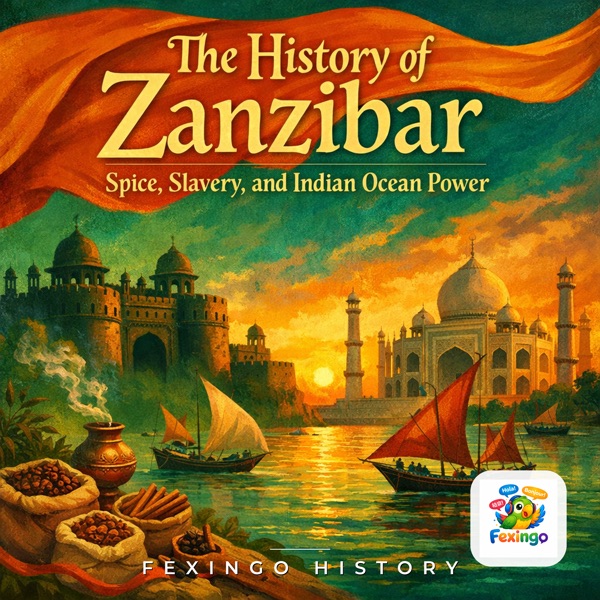
This episode explores the deep economic and cultural ties between Zanzibar and the Mughal Empire during the 17th and 18th centuries. We examine how merchants from Surat, particularly the Khoja and Bhatia communities, established a thriving trade network that linked the Indian Ocean with the Swahili Coast. The conversation details the role of hundi credit systems, the import of textiles and spices like saffron, and the architectural influences seen in Stone Town's coral stone buildings. Through the stories of key figures like Jairam Sewji and Tharia Topan, we uncover how these connections shaped Zanzibar’s prosperity before the rise of the Omani Sultanate. The episode also touches on the Maria Theresa thaler as a common currency and the complex social hierarchies of the port city. Listeners will discover how maritime trade routes influenced local politics, religious practices, and daily life in Unguja and Pemba. By focusing on the specific commodities and credit mechanisms rather than just broad imperial…
This episode explores the deep economic and cultural ties between Zanzibar and the Mughal Empire during the 17th and 18th centuries. We examine how merchants from Surat, particularly the Khoja and Bhatia communities, established a thriving trade network that linked the Indian Ocean with the Swahili Coast. The conversation details the role of hundi credit systems, the import of textiles and spices like saffron, and the architectural influences seen in Stone Town's coral stone buildings. Through the stories of key figures like Jairam Sewji and Tharia Topan, we uncover how these connections shaped Zanzibar’s prosperity before the rise of the Omani Sultanate. The episode also touches on the Maria Theresa thaler as a common currency and the complex social hierarchies of the port city. Listeners will discover how maritime trade routes influenced local politics, religious practices, and daily life in Unguja and Pemba. By focusing on the specific commodities and credit mechanisms rather than just broad imperial…
This episode explores the deep economic and cultural ties between Zanzibar and the Mughal Empire during the 17th and 18th centuries. We examine how merchants from Surat, particularly the Khoja and Bhatia communities, established a thriving trade network that linked the Indian Ocean with the Swahili Coast. The conversation details the role of hundi credit systems, the import of textiles and spices like saffron, and the architectural influences seen in Stone Town's coral stone buildings. Through the stories of key figures like Jairam Sewji and Tharia Topan, we uncover how these connections shaped Zanzibar’s prosperity before the rise of the Omani Sultanate. The episode also touches on the Maria Theresa thaler as a common currency and the complex social hierarchies of the port city. Listeners will discover how maritime trade routes influenced local politics, religious practices, and daily life in Unguja and Pemba. By focusing on the specific commodities and credit mechanisms rather than just broad imperial…
While Zanzibar is famous for cloves and the slave trade, a quieter, more intricate network connected its merchants to the heart of the Mughal Empire. This episode explores how South Asian traders, particularly the Khoja and Bhatia communities, integrated Zanzibar into the vast commercial web of Surat and Delhi. We look at the specific mechanisms of this trade, including the hundi credit system that allowed capital to flow across oceans without moving gold, and the cultural exchanges that left permanent marks on Stone Town’s architecture and language. From the saffron banners of the Red Fort to the coral-stone houses of Unguja, we trace the tangible links between Indian Ocean power centers and the Mughal court. Discover how merchants like Jairam Sewji navigated imperial rivalries, using their dual heritage to build a thalassocracy that was as much about diplomatic soft power as it was about maritime dominance. This story reveals the deep, often overlooked, economic and cultural arteries that pulsed between…
This episode uncovers the intricate web of trade between the Swahili Coast and the Mughal Empire, focusing on the Khoja and Bhatia merchant communities who bridged South Asia and East Africa. We explore how Jairam Sewji and Tharia Topan navigated the complex political landscape of the nineteenth century, using the hundi credit system to finance vast clove and spice monopolies. The narrative delves into the cultural fusion of Stone Town, where Persian, Arab, and Indian influences merged in architecture and daily life, creating a unique thalassocracy under the Busaid dynasty. Listeners will discover how these merchants acted as informal diplomats and spies, leveraging their financial power against British imperial interests. We examine specific moments of tension, including the Zegzeg Rebellion and the subtle ways Indian capital supported Omani sovereignty. From the coral stone buildings of Unguja to the bustling markets of Surat, this story highlights the human connections that sustained one of the Indian…
While we often hear about the Omani sultans and British diplomats in Stone Town, there was another powerful force shaping Zanzibar’s economy and culture: the Indian merchant networks. In this episode, Lucas and Luna explore the deep ties between Zanzibar and Surat, focusing on the Khoja community. They trace how these merchants used the hundi system to create a credit web that rivaled European banks, facilitating the trade of cloves, silk, and spices across the Indian Ocean. We look at specific figures like Jairam Sewji and Tharia Topan, whose influence extended far beyond commerce into politics and diplomacy. The conversation also touches on the architectural legacy of these communities, from the Kidichi Persian Baths to the intricate doors of Stone Town, revealing a fusion of South Asian and Swahili cultures that defined the island's golden age. #ZanzibarHistory #StoneTown #KhojaMerchants #SuratTrade #IndianOceanTrade #JairamSewji #ThariaTopan #HundiSystem #SwahiliCoast #BusaidDynasty #CloveMonopoly…
While the clove trade dominates Zanzibar’s history, a quieter but equally vital link connected Unguja to the Mughal Empire. We explore how saffron from Kashmir traveled through Surat to reach the Indian Ocean markets of East Africa. This episode examines the role of Khoja merchants who bridged South Asia and Swahili Coast economies using the hundi credit system. We look at the architectural influences visible in Stone Town, from coral stone construction techniques influenced by Persian and Mughal styles to the specific trade goods like textiles and spices that flowed both ways. Discover how the Busaid dynasty leveraged these trans-oceanic networks to build their thalassocracy, moving beyond simple slave or clove narratives to understand the complex financial and cultural webs that defined 19th-century Zanzibar. #ZanzibarHistory #MughalEmpire #SwahiliCoast #IndianOceanTrade #KhojaMerchants #StoneTown #CloveTrade #SaffronTrade #HundiSystem #BusaidDynasty #SuratIndia #KashmirSpices #Thalassocracy…